From the ground, most shingle roofs look about the same. Gray, dimensional, laid in neat rows hard to tell a great installation from a mediocre one just by standing in the driveway. But get up on the ridge and look down the slope, the way our crew does on every job, and the difference shows up fast. Straight lines. Tight valleys. No shingles curling at the edges before the job’s even finished. That’s not luck. That’s the difference between a roof installed to hold up for 25-30 years and one that starts showing problems in year six or seven. If you’re planning a shingle roof replacement, here’s what actually separates a durable installation from one that just looks fine on install day.
It Starts With What You Don’t See
The shingles get all the attention, but a shingle roof is really a system, and most of what determines how long it lasts is buried underneath the parts you can see.
Deck condition matters more than people think.
Before any shingle goes down, the roof deck underneath needs to be solid, no soft spots, no delamination, no rot from a slow leak that’s been sitting there for years. Installing new shingles over a compromised deck is one of the most common ways a “new roof” fails early, because the shingles were never the problem to begin with.
Underlayment is the roof’s actual first line of defense.
Synthetic underlayment goes down across the whole deck before shingles start, and ice and water shields get concentrated at eaves, valleys, and around every penetration — vent pipes, chimneys, skylights. In a Northern Michigan winter, this is what stands between your attic and a leak when ice dams form along the eaves.
Proper ventilation keeps the whole system working.
A roof that traps heat and moisture in the attic ages faster from the underside, regardless of how good the shingles are. Balanced intake and exhaust ventilation isn’t a nice-to-have — it directly affects how long shingles last and whether ice dams become a recurring problem. The Installation Details That Actually Determine Lifespan
Nailing pattern
This sounds minor, but it’s one of the biggest factors in whether a shingle roof survives a wind event. Manufacturers specify exact nail placement and count per shingle, and shingle warranties are frequently voided by improper nailing that most homeowners would never notice just by looking at the roof. Nail too high, and the shingle can blow off in a storm. Nail through the sealant strip, and it never bonds properly.
Valley detailing
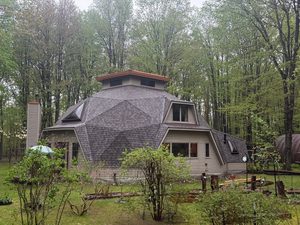
The photo that inspired this post shows exactly why this matters two roof planes meeting at a valley is where water volume concentrates most heavily during any rain or snowmelt. A properly woven or cut valley, with the right flashing underneath, channels that water off cleanly. A rushed valley is one of the most common places a shingle roof starts leaking, usually within the first few years.
Starter strip and first course alignment
Getting the very first row of shingles straight and properly adhered at the eave sets the tone for the entire roof. An uneven starter course throws off every subsequent row and leaves the roof edge more vulnerable to wind uplift.
Flashing around penetrations
Every chimney, vent pipe, and skylight is a place where two different materials meet, and that’s exactly where roofs are most likely to leak if flashing isn’t done correctly. Step flashing, counter-flashing, and proper sealant application here matter more than almost anything else on the roof.
Ridge cap installation
The ridge line visible right down the center of a roof like the one in that photo takes more direct weather exposure than almost any other part of the roof. Ridge cap shingles need to be installed with the correct exposure and fastening pattern to hold up to wind over the roof’s full lifespan.
Why the Shingle Brand and Line Still Matters
Even with perfect installation, not all shingles are built the same. We install CertainTeed Landmark shingles on most of our jobs because of their track record for wind resistance and algae resistance, along with a manufacturer warranty that actually holds up when installation meets their specifications. A quality shingle poorly installed will still underperform. A mid-tier shingle installed correctly will often outlast a premium shingle installed carelessly. The two variables product and installation both have to be right.
What a Real Inspection Should Catch
Here’s where a lot of roofing companies cut corners: sending a crew out to slap shingles down without anyone checking the work against what the deck and flashing actually need. On every job, we walk the roof personally before it’s signed off checking nailing patterns, valley work, flashing, and ridge detail because those are exactly the things that don’t show up in a driveway photo but absolutely show up in a leak five years later.
That kind of owner-level inspection is also why we back our work with a 10-year workmanship warranty on top of the manufacturer’s material warranty. If the installation is right, that’s not a risky promise to make. If it’s not, warranties like that get expensive fast — which is exactly why not every roofer offers one.
Signs a Shingle Roof Was Rushed
If you’re evaluating a roof your own or one you’re buying a house with a few signs point to a rushed or lower-quality installation:
- Shingle lines that aren’t straight or consistent across roof planes
- Valleys where you can see gaps or uneven cutting
- Nail heads visible or popping through the shingle surface
- Curling or lifting shingle edges within the first couple years
- Granules collecting heavily in gutters shortly after installation, beyond normal initial shedding
Any of these usually trace back to a step that got rushed during installation, not a problem with the shingles themselves.
8. Frequently Asked Questions
How long should a properly installed shingle roof last?
A dimensional/architectural shingle roof installed correctly typically lasts 25-30 years, depending on climate exposure and shingle line. Poor installation can cut that lifespan significantly, regardless of shingle quality.
What’s the most common cause of early shingle roof failure?
Improper nailing pattern and poor valley or flashing work are the most common causes of early failure more often than the shingles themselves being defective.
Does shingle brand matter as much as installation quality?
Both matter, but installation quality tends to be the bigger factor. A quality shingle installed poorly will underperform, while a well-installed mid-tier shingle often outlasts a premium shingle that was installed carelessly.
How can I tell if my roof was installed correctly?
Straight, consistent shingle lines, clean valley work with no visible gaps, no popped or exposed nail heads, and no early curling or lifting are good signs. An inspection by a roofer who checks nailing pattern and flashing details can confirm what’s not visible from the ground.
The Bottom Line
A durable shingle roof isn’t really about the shingles you can see from the street. It’s about the deck underneath, the underlayment, the ventilation, the nailing pattern, and the flashing at every valley and penetration the parts that only show up clearly from the ridge line looking down, or in a leak years later if they weren’t done right the first time. If you’re planning a shingle roof replacement and want a straight answer about what a quality installation actually involves on your specific roof, we’re glad to walk it with you.